


Vegetable Oil
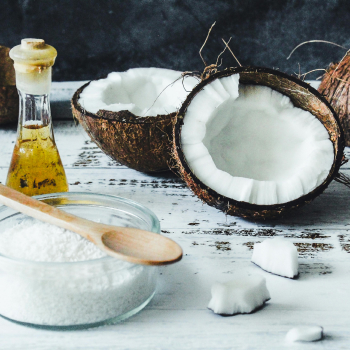
In recent years, coconut oil has taken the spotlight in the health and wellness community, with many touting it as a healthier alternative to conventional vegetable oils. From cooking to skincare, this tropical oil has proven itself versatile and full of potential benefits. If you’re looking to make healthier choices in the kitchen, switching from vegetable oil to coconut oil could be an excellent option. But what exactly makes coconut oil so special, and how does it compare to vegetable oil? Let’s explore why coconut oil could be the healthy alternative you've been looking for.
Vegetable Oil: What is it?
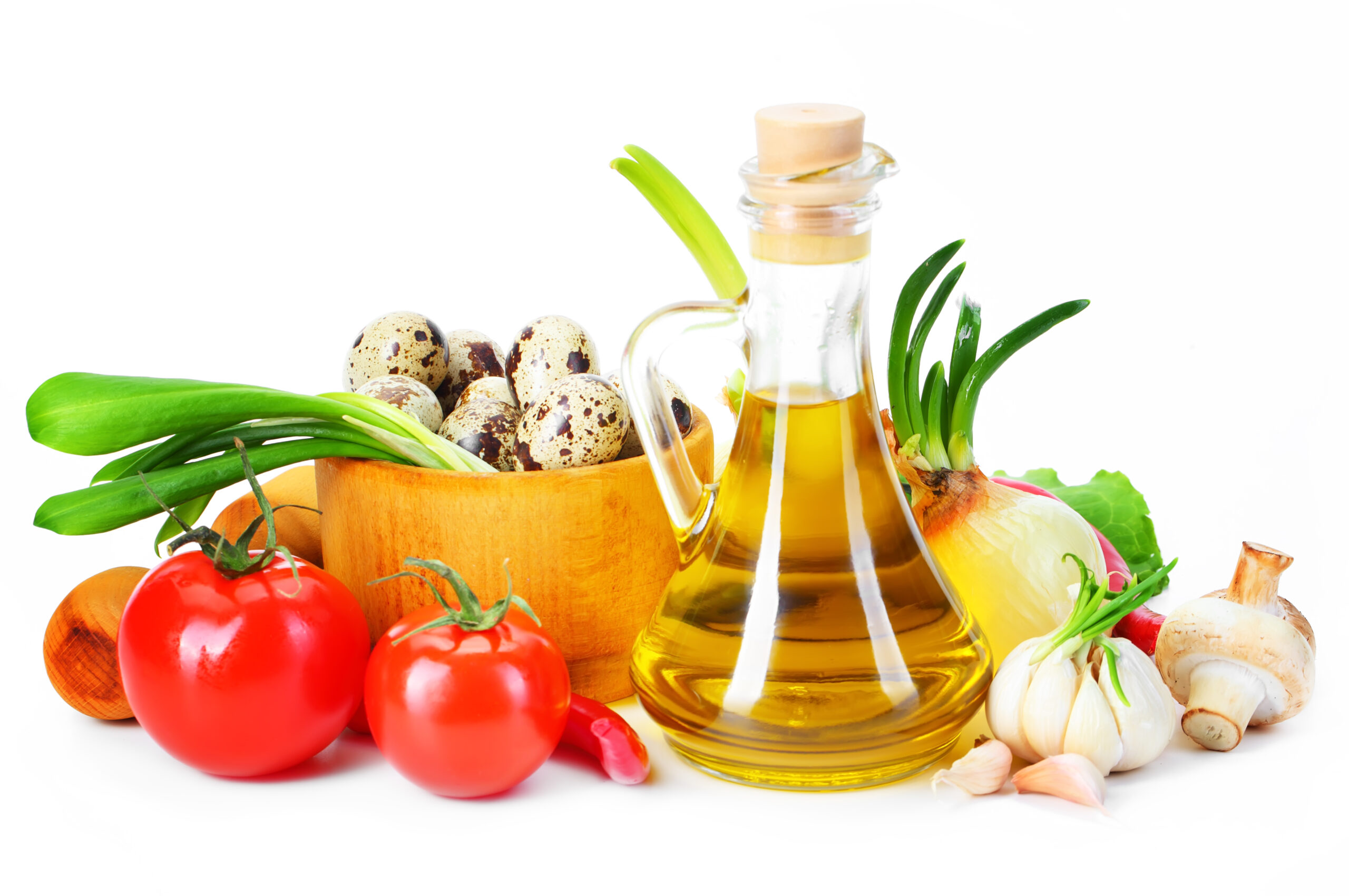
Vegetable oil typically refers to a blend of oils extracted from plants, such as soybeans, corn, or sunflower seeds. The oil is highly refined, processed at high temperatures, and often stripped of its natural nutrients. While vegetable oil is a common cooking oil, it’s often criticized for its high levels of omega-6 fatty acids. An imbalance of omega-6 to omega-3 fatty acids in the diet is thought to contribute to inflammation in the body, which has been linked to several chronic conditions like heart disease, diabetes, and arthritis.
Unlike coconut oil, which is naturally high in saturated fats, vegetable oil is predominantly made up of polyunsaturated fats, especially omega-6 fatty acids. While polyunsaturated fats can be beneficial in moderation, an excessive intake of omega-6 fats, often found in processed foods, can promote inflammation and disrupt the balance of healthy fats in your body.


The Benefits of Coconut Oil vs. Vegetable Oil
Now, let’s take a closer look at why coconut oil is often considered a healthier alternative to vegetable oil.
1. Rich in Healthy Fats (MCTs)
Coconut oil is a source of medium-chain triglycerides (MCTs), a type of fat that is metabolized quickly by the body and converted into energy. This is a stark contrast to the long-chain fatty acids found in vegetable oils, which are stored as fat in the body. MCTs have been linked to increased fat burning and improved energy levels, making coconut oil a better option for those looking to maintain a healthy weight or boost metabolism.
In contrast, vegetable oil is mostly composed of polyunsaturated fats, which, when consumed in excess, can lead to an imbalance in the body’s fat profile and contribute to inflammation.
2. Supports Heart Health
Despite the common misconception that saturated fats like those in coconut oil are bad for heart health, research has shown that coconut oil may actually support heart health by increasing levels of good HDL cholesterol and improving the balance of cholesterol in the body. Some studies suggest that the MCTs in coconut oil help reduce levels of bad LDL cholesterol and promote better blood circulation.
Vegetable oil, however, has a much higher omega-6 fatty acid content, which can lead to an imbalance when consumed in large amounts. While omega-6 fatty acids are essential for health, an overabundance, particularly in relation to omega-3s, has been linked to chronic inflammation and an increased risk of cardiovascular disease.
3. Boosts Metabolism and Weight Loss
Coconut oil has been shown to support weight loss and boost metabolism. The MCTs in coconut oil are absorbed quickly by the body, leading to a thermogenic effect, where the body burns more calories to process the fat. Some studies have found that coconut oil can increase fat burning, particularly around the abdominal area, and help reduce body fat.
While vegetable oil is often used in processed foods, many of these foods are calorie-dense and can contribute to weight gain if consumed in excess. Because vegetable oil is rich in omega-6 fats, it can also promote inflammation, which may negatively impact metabolic health.
4. Antioxidant and Anti-Inflammatory Properties
Coconut oil is packed with antioxidants, which help combat oxidative stress and free radicals in the body. This can help reduce inflammation and lower the risk of chronic diseases like cancer, diabetes, and arthritis. The antioxidants in coconut oil, along with its antimicrobial and anti-inflammatory properties, make it an excellent choice for improving overall health.
On the other hand, vegetable oils are highly processed and stripped of many of their natural nutrients. Many vegetable oils also undergo chemical treatments that remove beneficial compounds. Excessive consumption of vegetable oils, particularly those high in omega-6 fatty acids, can promote systemic inflammation in the body.
5. Stable at High Cooking Temperatures
One of the significant advantages of coconut oil over vegetable oil is its high smoke point. When oils are heated beyond their smoke point, they can release harmful compounds that are detrimental to your health. Coconut oil has a smoke point of around 350°F (177°C), which makes it suitable for sautéing, frying, and other high-temperature cooking methods.
Vegetable oils, especially highly refined ones, often have lower smoke points, meaning they can break down at high temperatures and release toxic byproducts, such as acrolein and aldehydes. For this reason, coconut oil is a much better choice for cooking at higher heat.
6. Natural and Minimally Processed
Coconut oil, particularly virgin coconut oil, is minimally processed and retains its natural nutrients. It’s often free from chemicals, additives, or preservatives, making it a cleaner option for both cooking and skincare. It also has a natural, pleasant flavor that enhances the taste of dishes without being overpowering.
Vegetable oils, by contrast, are highly processed and often subjected to refining, bleaching, and deodorizing processes. This removes many of the natural nutrients, leaving you with a product that may lack the health benefits of unprocessed oils.
How to Use Coconut Oil in Place of Vegetable Oil
If you’re ready to make the switch to coconut oil, here are some ideas on how to use it:
- In cooking: Use coconut oil in place of vegetable oil for frying, sautéing, and baking. It adds a subtle coconut flavor, perfect for tropical or savory dishes.
- In smoothies: Add a spoonful of coconut oil to your morning smoothie for an energy boost.
- As a salad dressing: Combine coconut oil with vinegar, lemon, or herbs for a homemade salad dressing.
- In skincare: Coconut oil is excellent for moisturizing and soothing the skin, making it a great addition to your skincare routine.
- For oil pulling: Swish coconut oil in your mouth for 10-15 minutes each day to promote oral health.